
Agent Framework Comparison
This article compares the current mainstream Agent frameworks: LangChain, LangGraph, AutoGen, CrewAI, smolagents, OpenAI Swarm, and OpenManus. It covers positioning, features, use cases, and selection advice to help you make fast technical decisions.
1. LangChain
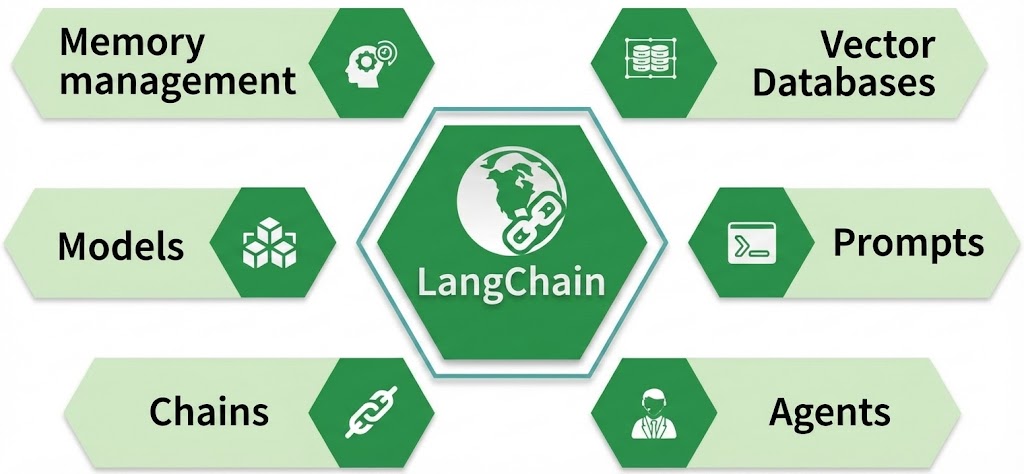
Positioning: General-purpose LLM application framework with modular wrappers for Prompts, Memory, Tools, and Agents. Strengths: Mature ecosystem, rich tooling, great for rapid prototyping. Limitations: Complex flow orchestration requires extra control logic; multi-step controllability is average. Best for: Single-agent scenarios that need fast integration with tools and data sources.
2. LangGraph
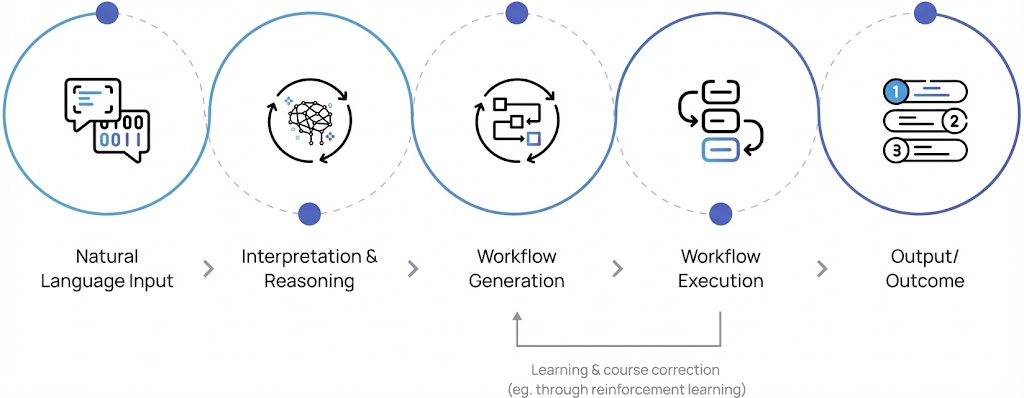
Positioning: Graph-based Agent orchestration framework focused on state management and controllable flow. Strengths: Supports branching/looping, human-in-the-loop, observable and recoverable. Limitations: Steeper learning curve, relatively limited autonomy. Best for: Complex workflows that need explicit control over execution paths.
3. AutoGen
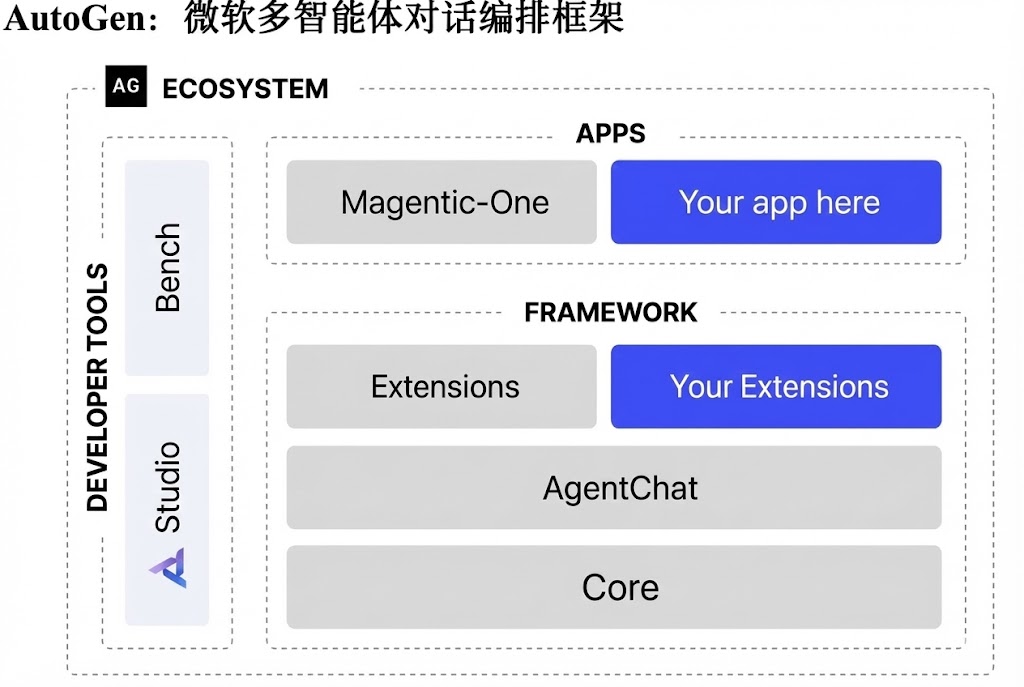
Positioning: Microsoft's open-source multi-agent conversation framework, emphasizing dialog-driven collaboration. Strengths: Native multi-agent support, conversational collaboration, extensible. Limitations: High debugging cost, ecosystem maturity still growing. Best for: Multi-role collaboration, research, and exploratory tasks.
4. CrewAI
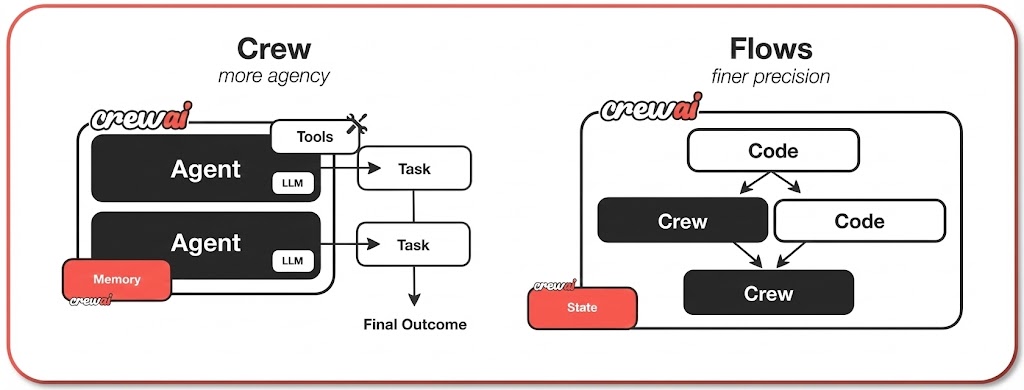
Positioning: Team-style multi-agent orchestration framework. Strengths: Clear role division, YAML-friendly configuration, lots of tool integrations. Limitations: Complex scenarios still need manual tool and flow supplementation. Best for: Task collaboration with clear process definition across multiple agents.
5. smolagents
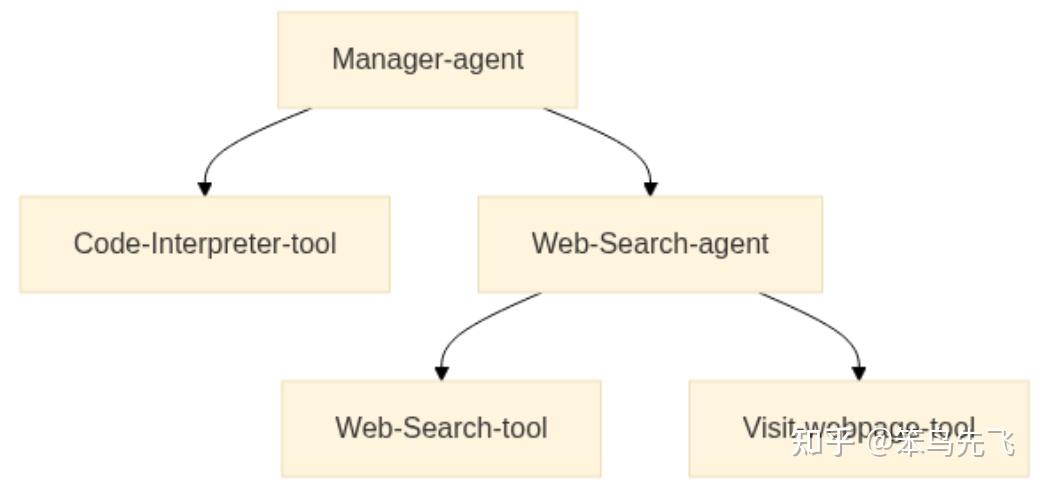
Positioning: Minimalist framework built around "Code as Actions." Strengths: Lightweight, fast to pick up, lets the model write code to call tools directly. Limitations: Smaller ecosystem, complex flows require DIY infrastructure. Best for: Quick experiments, teaching, and lightweight projects.
6. OpenAI Swarm
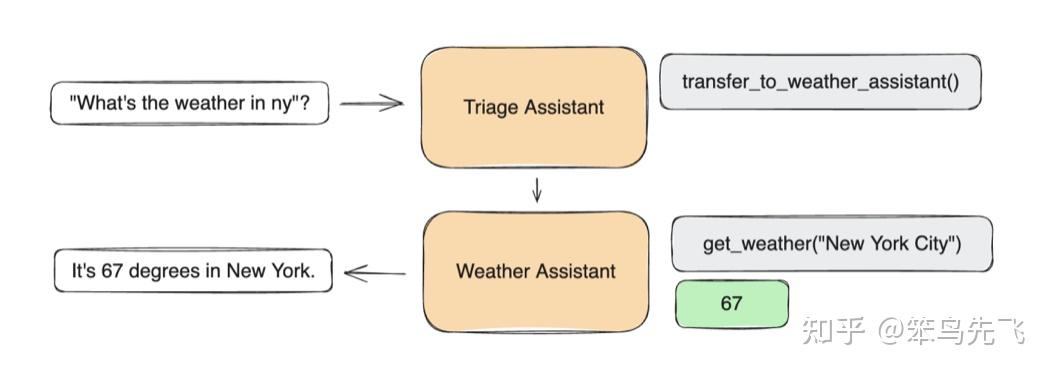
Positioning: Lightweight multi-agent collaboration framework emphasizing clear role division and handoffs. Strengths: Simple structure, quick to build multi-agent collaboration flows. Limitations: Narrow feature scope, complex flows need extension work. Best for: Lightweight multi-agent collaboration and PoC projects.
7. OpenManus
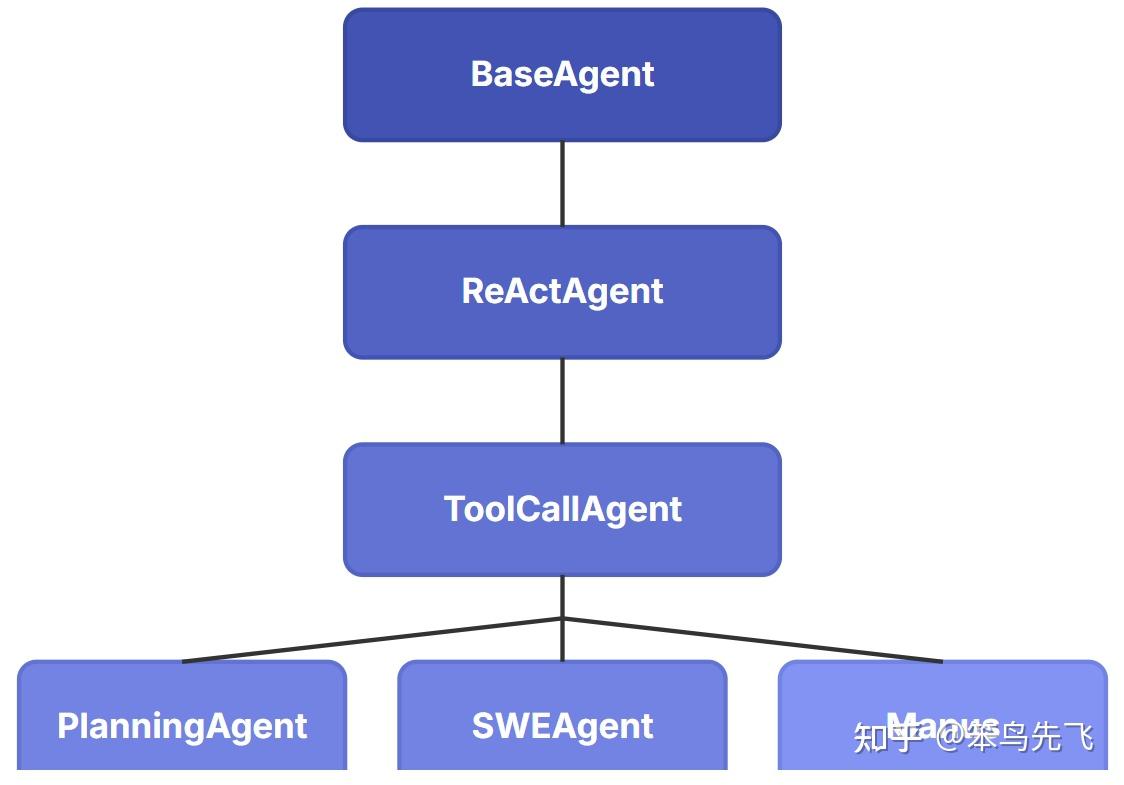
Positioning: Engineering-focused Agent framework geared toward systematic production deployment. Strengths: Covers multi-role, multi-step, and runtime governance. Limitations: Higher onboarding cost, requires solid engineering background. Best for: Enterprise-grade Agent engineering deployments.
8. Key Dimensions at a Glance
| Dimension | LangChain | LangGraph | AutoGen | CrewAI | smolagents | OpenAI Swarm | OpenManus |
|---|---|---|---|---|---|---|---|
| Learning Curve | Low-Med | Med-High | High | Med | Low | Low | Med-High |
| Controllability | Med | High | Med | Med | Low | Med | High |
| Autonomy | Med | Med | High | Med | Med | Med | Med |
| Multi-Agent | Med | High | High | High | Low | Med | High |
| Ecosystem Maturity | High | Med | Med | Med | Low | Low | Med |
| Scale Fit | Med | Med-Large | Med-Large | Med | Small | Small-Med | Large |
Quick note: if controllability and observability matter most, go with LangGraph. If ecosystem breadth and fast shipping matter most, go with LangChain.
9. Selection Recommendations
| Goal | Recommended Framework |
|---|---|
| Quick start, mature ecosystem | LangChain |
| Complex flow, controllability first | LangGraph |
| Multi-agent conversation | AutoGen |
| Role division & collaboration | CrewAI |
| Minimal experiments & teaching | smolagents |
| Lightweight multi-agent collab | OpenAI Swarm |
| Production engineering deployment | OpenManus |
10. When to Use Agents
- Problem paths can't be enumerated; dynamic decision-making is required.
- Tasks span multiple systems and need multi-tool collaboration.
- Conversations require clarification, negotiation, and closed-loop execution.
When these conditions are met, go with an Agent framework. Otherwise, Workflows are more stable and cheaper.
11. Selection Flowchart (Simplified)
- Can you enumerate all paths? Yes -> Workflow. No -> proceed to Agent.
- Do you need strong controllability and audit trails? Yes -> LangGraph / OpenManus.
- Is this multi-role collaboration? Yes -> AutoGen / CrewAI / LangGraph.
- Is this a rapid prototype? Yes -> LangChain / smolagents / Swarm.
12. Common Mistakes
- Jumping straight to multi-agent: Multi-agent is expensive. Validate value with a single agent first.
- Chasing "autonomy" only: Without controllability you'll get production incidents. Add audit and rate limiting.
- Ignoring data and tool quality: Agent quality = model x data x tool quality. The model is just one piece.
13. Deployment Advice (AI Engineer Perspective)
- Workflows first, Agents second: Lock down deterministic processes first, then shrink the uncontrolled surface area.
- Stabilize the tool layer first: APIs must be reliable, permissions minimal, errors retryable.
- Add observability and replay: Log decisions, tool calls, and key inputs/outputs.
- Human-in-the-loop fallback: Add manual confirmation or rollback strategies at critical steps.
📚 Related resources
❓ Common questions
Open a question to review the practical answer.
LangChain and LangGraph are from the same team — what's the actual difference?
LangChain is the general LLM app dev framework — modular wrappers for Prompt, Memory, Tools, Agent; richest ecosystem, fastest start, suits single-agent. LangGraph is graph-based orchestration — explicit state management, controllable flow, branches/loops/human-in-loop, observability and recovery. Learning curve: LangChain is low-mid, LangGraph is mid-high. Production call: simple flow + ship fast → LangChain; complex flow + need explicit control + multi-agent → LangGraph. They can mix; LangGraph also reuses LangChain's tool ecosystem.
What does smolagents' "Code as Actions" actually mean?
smolagents has the model write code to invoke tools, instead of emitting structured tool-call JSON. The model generates a Python snippet ("call search('xxx'), then feed the result to summarize()") and the framework runs it. Pros: lightweight, fast start, flexible — code natively expresses loops, conditionals, and composed calls in ways JSON schemas can't. Cons: smaller ecosystem, complex flows need DIY scaffolding, higher security risk (arbitrary code execution). Good for fast experiments, teaching, lightweight projects; not for enterprise production.
OpenAI Swarm and CrewAI both do multi-agent — how do I choose?
Swarm is minimal and lightweight — emphasizes clear role split + handoffs (one Agent passes the conversation to another). Good for PoCs and quickly assembling a few collaborating Agents. CrewAI is the team-collaboration model — YAML-friendly config, rich tool integrations, finer role delineation. Suits mid-size scenarios with well-defined collaboration flows. Both have low-mid learning cost. Swarm covers a narrow surface and needs extension for complex flows; CrewAI still requires manual tool/flow patching at the edges. For larger production, look at LangGraph or OpenManus.
What's OpenManus suited for, and why is it harder to start with?
OpenManus targets engineered Agent deployment — covers multi-role, multi-step, runtime governance (audit, throttling, rollback). Learning curve mid-high, control high, suits large scale — the pick for enterprise Agent rollouts. Hard to start because it expects engineering muscle: runtime governance, state machines, multi-role coordination. For a PoC or single-Agent task, OpenManus is overkill; reach for it only after you've hit LangChain / Swarm walls and genuinely need systematic engineering.
What are the three most common mistakes when picking an Agent framework?
Three traps: (1) jumping straight to multi-agent — multi-agent is expensive and hard to debug; validate value with single-agent first, then split. (2) chasing "autonomy" alone — without control, you ship incidents; audit, throttling, and a kill switch are mandatory. (3) ignoring data and tool quality — Agent quality = model × data × tool quality, model is one factor; flaky APIs, bad docs, or wrong permissions kill the strongest model. Practical path: Workflow first, then Agent; stabilize tools first; add observability and replay; human-in-loop on critical steps.