
部署与成本优化
Deployment 与 Cost Optimization
LLM feature 上线后最容易踩的坑,不是模型效果差,而是“能跑,但跑不起”。很多 AI team 在 demo 阶段只关心 quality,等真的接进 production 才发现 latency 飙、fallback 乱、token 烧得太快,最后不是用户体验差,就是毛利直接出问题。
所以这页讲的不是单点调参,而是 AI engineer 该怎么把 deployment、reliability 和 cost 一起设计。
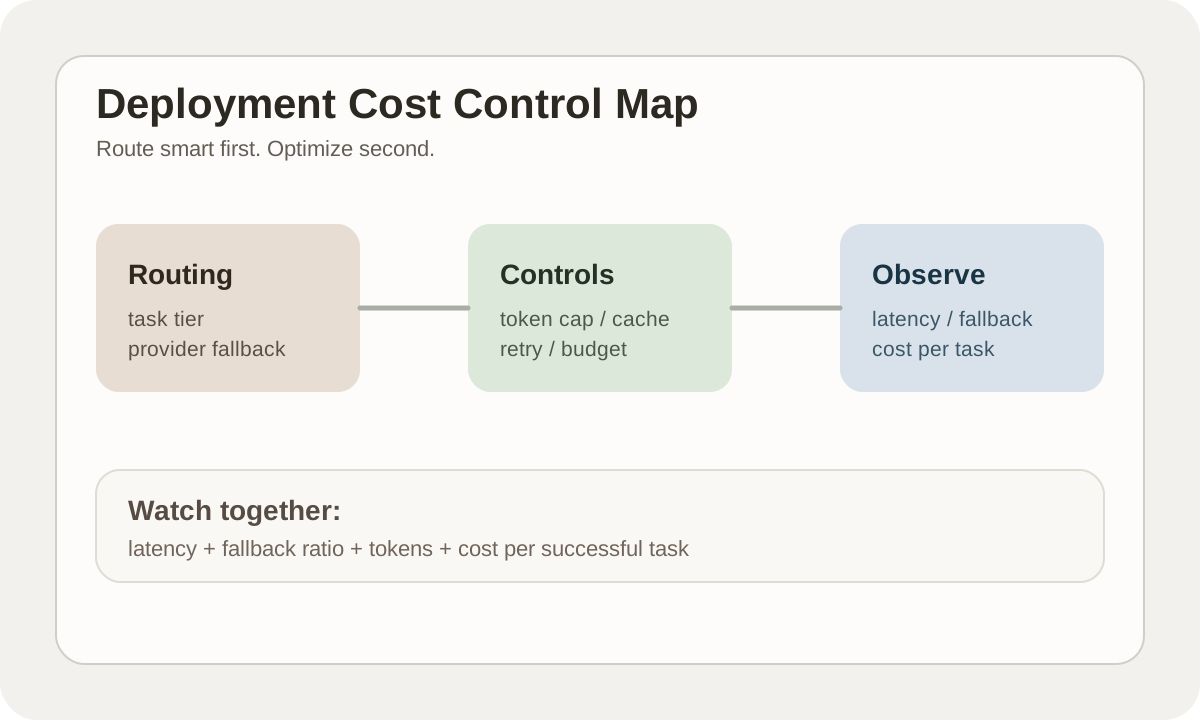
先说结论:先做 routing,再做优化
单纯盯着“换便宜模型”通常不够。
更有效的顺序是:
- 定义 task tier
- 给不同 task 配不同 model route
- 再优化 tokens、cache、retry 和 fallback
如果一上来所有请求都走 strongest model,后面你只会被动挨打。
部署阶段最常见的 4 个问题
| 问题 | 真实后果 |
|---|---|
| 所有请求都走大模型 | cost 爆得很快 |
| fallback 没设计好 | provider 抖一下就全站不稳 |
| prompt 越堆越长 | latency 和 token 成本一起涨 |
| rollout 没灰度 | 一次错误配置直接放大到全量用户 |
AI deployment 最怕的不是单次失败,而是可预防的问题被系统性放大。
更像 production 的部署分层
一个更稳的 LLM deployment,至少要分这几层:
| 层 | 你要管什么 |
|---|---|
| request layer | 用户请求、tenant、quota、feature flag |
| routing layer | 选哪个 model、是否 fallback、是否 regional route |
| control layer | token cap、cache、retry、timeout、budget |
| observability layer | latency、error、fallback ratio、cost delta |
这几层不分开,后面排障会非常痛苦。
Model Routing 才是成本控制的第一步
比起统一接一个模型,更实际的是按任务分 tier。
| Task tier | 例子 | 更合适的 route |
|---|---|---|
| low-complexity | rewrite、classification、light summary | small / cheap model |
| medium-complexity | structured extraction、RAG answer | balanced model |
| high-complexity | long-context reasoning、complex generation | stronger model |
| failure recovery | primary 挂了或超时 | fallback provider / smaller safe mode |
这样做的价值不是“省一点钱”,而是让系统从第一天就有可经营性。
Token Cost,不是 output 一项的问题
很多团队只盯 output token,其实 input 也会慢慢失控。
最常见的成本来源:
- system prompt 越写越长
- history 带得太多
- retrieval chunk 塞太多
- 同一个任务来回 regenerate
所以 cost optimization 常常不是模型问题,而是上下文治理问题。
一个更稳的 Cost Control Checklist
| 控制点 | 为什么要做 |
|---|---|
| input / output token cap | 防止异常请求拉爆成本 |
| history trimming / summarization | 避免长会话无限膨胀 |
| deterministic cache | 重复任务没必要重复烧钱 |
| request budget per tenant | 防止单一客户异常消耗 |
| daily alerting | 提前发现 spike,而不是月底看账单 |
如果这些没有,cost review 往往会滞后至少一周。
Reliability 和 Cost 是绑在一起的
很多人把 reliability 只看成稳定性问题。
其实它跟成本直接相关。
举例:
- retry 太激进,会把失败成本放大
- fallback 太重,会让故障时成本翻倍
- timeout 太长,会拖垮体验和 worker 资源
所以部署策略不能只追求“不失败”,还要追求“失败时别太贵”。
Rollout 一定要灰度,不要直接全量
LLM feature 最稳的上线顺序通常是:
internal
  -> canary
  -> 5% traffic
  -> 20% traffic
  -> full rollout
每一层都看 4 个信号:
- latency
- error / 429 / timeout
- fallback usage
- cost per successful task
只看成功率,不看 cost delta,是很典型的 AI infra 盲区。
多 Provider 不是为了炫,是为了 survivability
一个成熟一点的 AI system,通常会准备:
- provider alias
- fallback policy
- capability matrix
- region / compliance route
这让你可以在 provider 抖动、价格调整、功能不兼容时,不至于完全被卡死。
最值得盯的指标
| 指标 | 为什么重要 |
|---|---|
| P95 latency | 用户主观感知最明显 |
| fallback ratio | 判断主路由是否健康 |
| avg tokens per request | 发现 prompt/context 膨胀 |
| cost per successful task | 真正的经营指标 |
| error by provider/model | 快速定位问题来源 |
如果 dashboard 里没有最后两个,deployment 管理还不算完整。
Practice
拿你现在线上一个 AI feature,先补这 4 项:
- 哪类请求其实不该走 strongest model
- 当前 fallback 触发条件是什么
- 有没有
cost per successful task - rollout 时有没有看 fallback 和 cost delta
这 4 项补上后,deployment 管理会成熟很多。
📚 相关资源
❓ 常见问题
点击问题,查看本章对应的实践答案。
LLM 部署最常踩的 4 个坑是什么?
所有请求都走最强 model(cost 爆得很快)、fallback 没设计好(provider 抖一下全站不稳)、prompt 越堆越长(latency + token 一起涨)、rollout 没灰度(一次错配置直接放大到全量)。AI deployment 最怕的不是单次失败,是可预防的问题被系统性放大。
成本控制的第一步为什么是 model routing 而不是换便宜模型?
因为按 task tier 分流比统一换模型更有效。Low-complexity(rewrite / classification / light summary)走 cheap model;medium(structured extraction / RAG answer)走 balanced;high(long-context reasoning)才走 strongest;failure recovery 走 fallback。一上来全走 strongest model,后面只能被动挨打。
Token cost 失控的真正原因通常是什么?
不是 output token,多数时候是 input 失控:system prompt 越写越长、history 带得太多、retrieval chunk 塞太多、同一个任务来回 regenerate。所以 cost optimization 经常不是模型问题,而是上下文治理问题 —— 修 prompt 比换模型有效得多。
Reliability 怎么会和 cost 绑在一起?
3 个例子:retry 太激进会把失败成本放大;fallback 太重在故障时让 cost 翻倍;timeout 太长会拖垮体验和 worker 资源。所以部署策略不能只追求『不失败』,还要追求『失败时别太贵』。Cost per successful task 才是真正的经营指标,单看 success rate 看不出问题。
LLM feature 灰度上线的标准节奏是什么?
internal → canary → 5% traffic → 20% traffic → full rollout,每一层看 4 个信号:latency、error/429/timeout、fallback usage、cost per successful task。只看成功率不看 cost delta,是很典型的 AI infra 盲区 —— 一次错配置可能成功率正常但单次成本翻 3 倍。