
Synthetic Data & Augmentation
Synthetic Data Augmentation
Synthetic data 最容易被误解成“数据不够就让模型多编一点”。这很危险。真正有效的 synthetic data,不是为了把 dataset 变大,而是为了把 coverage 变合理、把 eval 变更有杀伤力、把模型盲区更早暴露出来。
所以这页的重点不是教你批量生成文本,而是 AI engineer 怎么把 synthetic data 用在更靠谱的 augmentation workflow 里。
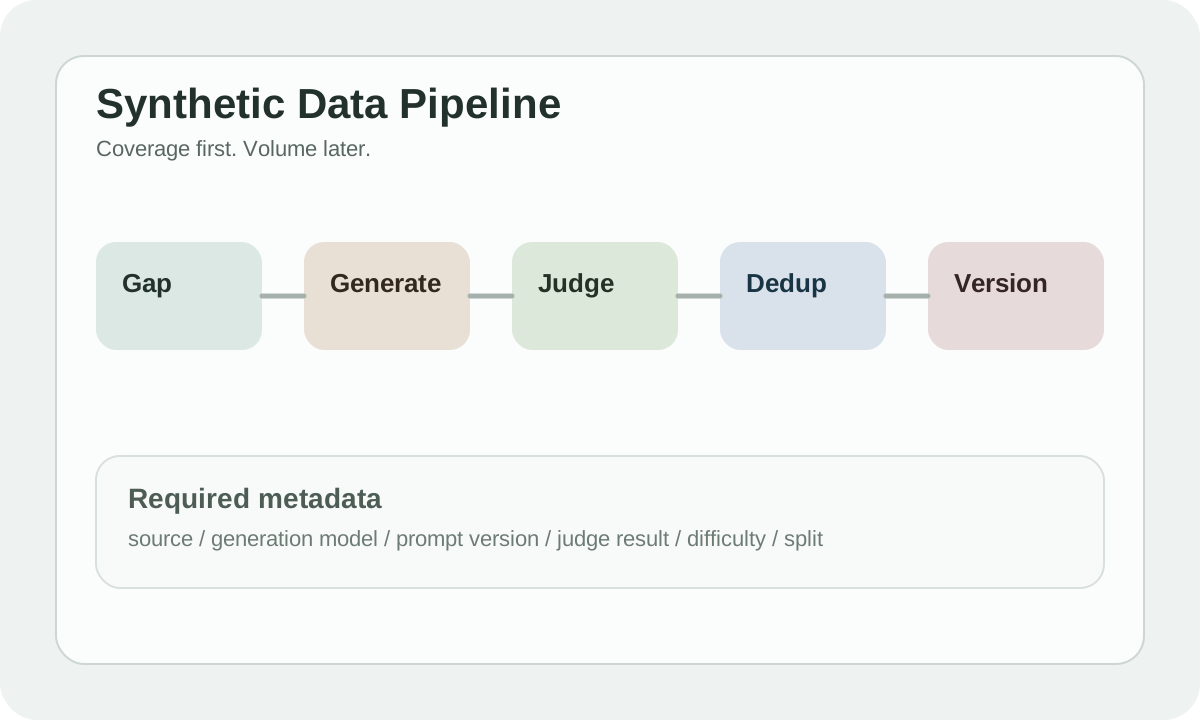
先说结论:先补 coverage,不要先追规模
很多 team 一缺数据,就先追 10 倍、100 倍扩充。
更稳的顺序应该是:
- 找出真实数据缺口
- 明确要补哪类 case
- 生成后做 verification 和 dedup
- 最后才考虑规模化生产
如果 coverage 没想清楚,synthetic data 只会把偏差放大。
Synthetic Data 最适合用在哪
| 场景 | 为什么适合 |
|---|---|
| eval set 扩充 | 补 edge case 和 rare case |
| safety / refusal 测试 | 生成 jailbreak、policy 边缘样本 |
| 格式化 extraction | 批量生成结构相近但内容多样的输入 |
| locale / style variation | 补不同语言和表达方式 |
| low-resource task bootstrap | 先快速搭一个可训练/可评估起点 |
它最值钱的地方,通常不是训练主数据,而是评估和覆盖补洞。
最常见的错误用法
| 错法 | 后果 |
|---|---|
| 让同一个模型生成再评估 | 很容易自嗨,误判质量 |
| 只做 paraphrase | 看起来很多样,实际信息量很低 |
| 不做 provenance | 后面不知道哪批数据污染了结果 |
| train / test 混源 | leakage 后评估会失真 |
Synthetic data 不是越多越强,失控后反而会让你更难判断真实能力。
一个更稳的 Generation Pipeline
gap analysis
  -> generation prompt
  -> judge / filter
  -> dedup
  -> difficulty tagging
  -> split and version
这个 pipeline 里最容易被跳过的是 middle steps。
但恰恰是 judge、dedup 和 tagging,决定了这批数据能不能用。
常见的生成方式
| 方法 | 适合做什么 |
|---|---|
| paraphrase | 补表达多样性 |
| template expansion | 补实体、行业、locale 变量 |
| adversarial generation | 补攻击样本、边界样本 |
| source-grounded generation | 基于真实文档生成 Q&A / citation case |
其中最靠谱的往往是最后一种。
因为它最接近真实任务,也更容易做 correctness check。
Verification,不能靠“看起来没问题”
Synthetic item 至少应该经过:
| 检查项 | 为什么要做 |
|---|---|
| format validation | 保证结构能进 pipeline |
| faithfulness check | 确保没有偏离 source |
| safety filter | 避免带入不该有的内容 |
| manual spot check | 自动 judge 也会漏 |
| duplicate control | 避免虚假多样性 |
如果没有这些,后面你看到的提升可能只是 dataset contamination。
Provenance 和 Versioning 很关键
每条 synthetic sample 最少记录这些字段:
- source
- generation model
- generation prompt version
- judge result
- tags
- difficulty
- split
没有 provenance,后面一旦出现坏样本、奇怪提升或 regression,你几乎没法追。
难度分层比平均分更重要
AI engineer 用 synthetic data 时,最值得做的是 difficulty tagging。
| 难度层 | 例子 |
|---|---|
| easy | 常规格式、常规表达 |
| medium | paraphrase、轻度歧义 |
| hard | 多约束、长上下文、边界 case |
| adversarial | injection、诱导、格式破坏 |
这样你才能知道模型到底是普遍提升了,还是只在 easy case 看起来变好了。
什么时候别急着继续扩 synthetic data
| 情况 | 为什么 |
|---|---|
| 真实数据 pipeline 还没整理好 | 你会一直在 synthetic 上兜圈 |
| judge 机制不稳 | 扩得越多,噪声越大 |
| bad case 都没复盘 | 生成再多也补不到点上 |
| 团队没有版本治理 | 数据越来越难维护 |
Synthetic data 是放大器,不是替代真实数据治理的捷径。
Practice
拿你现在一份 eval set,先不要扩 10 倍。
先回答这 4 个问题:
- 缺的是哪类 case
- 哪些 case 值得用 synthetic 补
- 生成后怎么 judge
- 如何记录 provenance
这 4 个问题想清楚后,再开始批量生成。
📚 相关资源
❓ 常见问题
点击问题,查看本章对应的实践答案。
Synthetic data 是不是数据不够就让模型多生成一点?
不是,这种用法很危险。Synthetic data 真正的价值不是把 dataset 扩 10 倍,而是把 coverage 补合理、把 eval 变更有杀伤力、把模型盲区更早暴露。先做 gap analysis 找出真实数据缺什么,再针对性生成;coverage 没想清楚就批量扩,只会把偏差放大。
Synthetic data 最适合用在什么场景?
5 个高价值场景:eval set 扩充补 edge / rare case;safety 与 refusal 测试生成 jailbreak 边缘样本;格式化 extraction 批量生成结构相近内容多样的输入;locale / style variation 补不同语言表达;low-resource task 的 bootstrap。它最值钱的地方通常是评估和覆盖补洞,不是训练主数据。
怎么判断生成的 synthetic 样本到底能不能用?
至少过 5 道关:format validation 保证能进 pipeline、faithfulness check 确保没偏离 source、safety filter 过滤危险内容、manual spot check(自动 judge 也会漏)、duplicate control 避免虚假多样性。让同一个模型既生成又评估是最常见的错法 —— 容易自嗨误判质量。
为什么每条 synthetic 样本都要记 provenance?
没有 provenance,后面一旦出现奇怪提升、regression、坏样本,几乎追不回来源。每条样本最少记 source、generation model、prompt version、judge result、tags、difficulty、split 这 7 个字段,才能在出问题时回溯到底是哪一批数据污染了结果。
什么时候应该停下,别再扩 synthetic data?
4 个红线场景:真实数据 pipeline 还没整理好(你只会一直在 synthetic 上兜圈)、judge 机制不稳(扩越多噪声越大)、bad case 还没复盘(生成再多也补不到点上)、团队没有版本治理(数据越来越难维护)。Synthetic data 是放大器,不是替代真实数据治理的捷径。